
Aprender Inglés Blog

Practica inglés con los audios, videos y recursos de aprender ingles blog


Cómo se dice en inglés ‘de nada’ en distintas situaciones

How to Say "De Nada" in Different Situations in English

In English, the phrase "de nada" is equivalent to "you're welcome". However, the English language offers a variety of other responses to express appreciation and politeness in different situations. Let's explore some English phrases that can be used interchangeably with "de nada".

1. Casual Situations

When responding to a "thank you" in a casual setting, you can use the following alternatives to "you're welcome":

  • No problem
  • Sure thing
  • Anytime

For example, if someone thanks you for holding the door open, you can respond with "No problem" or "Anytime".

2. Formal Situations

In more formal settings such as a business meeting or a professional interaction, you might want to use slightly more polished phrases:

  • It was my pleasure
  • It's nothing at all
  • I'm happy to help

For instance, if a colleague thanks you for assisting with a project, you could reply with "It was my pleasure" or "I'm happy to help".

3. Business Settings

In business scenarios, where professionalism is key, consider using these responses:

  • You're very welcome
  • It's my pleasure
  • I'm glad I could assist

For instance, if a client expresses gratitude for your services, responding with "You're very welcome" or "I'm glad I could assist" would be appropriate.

4. Polite and Gracious Responses

If you are aiming for a more gracious and elegant response, the following phrases might be suitable:

  • Not at all, my pleasure
  • It was the least I could do
  • The pleasure is mine

When attending a formal event and complimented on your outfit, you might respond with "It was the least I could do" or "The pleasure is mine".

5. Acknowledging the Thanks

In some cases, it's beneficial to simply acknowledge the gratitude without using the phrase "you're welcome". Here are some phrases you could use:

  • I appreciate that
  • Thank you for saying that
  • That means a lot

When someone thanks you for your support during a difficult time, respond with "I appreciate that" or "Thank you for saying that".

Conclusion

While "de nada" can be translated to "you're welcome" in English, there are various alternatives and nuances to consider based on the context and level of formality. Choosing an appropriate response can enhance communication and demonstrate your understanding of social norms. Experiment with these phrases to find the ones that resonate most with your personal style and the situations you find yourself in. Remember, a thoughtful response to gratitude can leave a lasting impression on those around you.

Cómo se dice en inglés “tarjeta de crédito” en el contexto de pagos online

¿Cómo se dice en inglés “tarjeta de crédito” en el contexto de pagos online?

Cuando se trata de realizar compras en línea, es crucial entender y manejar términos específicos en inglés, dado que la mayoría de los sitios web de compras internacionales están en este idioma.

Uno de los conceptos fundamentales en el ámbito de las transacciones electrónicas es el de "tarjeta de crédito". En español, esta expresión es clara y directa, pero ¿cómo se traduce de manera precisa al inglés?

¿Qué es una “tarjeta de crédito” y por qué es importante en los pagos online?

Una tarjeta de crédito es un medio de pago emitido por una entidad financiera que le permite al titular realizar compras o transacciones y posponer el pago para un momento posterior. Este diferimiento del pago dependerá de los términos acordados con la entidad emisora de la tarjeta.

En el contexto de los pagos online, las tarjetas de crédito son uno de los métodos más utilizados y populares. Permiten a los usuarios realizar compras en línea de manera rápida y segura, además de brindar protección adicional en casos de fraude o disputas.

¿Cómo se dice “tarjeta de crédito” en inglés?

La traducción exacta de “tarjeta de crédito” al inglés es “credit card”. La palabra "credit" hace referencia al crédito o préstamo del que dispone el titular de la tarjeta al realizar una compra, mientras que "card" se refiere al medio físico que se utiliza para llevar a cabo la transacción.

Es importante recordar que, al realizar transacciones en línea en sitios web extranjeros o internacionales, es probable que se encuentre con la expresión “credit card” para referirse a la tarjeta de crédito en el proceso de pago.

Otros términos relacionados con las tarjetas de crédito en inglés

Además de la traducción directa de “tarjeta de crédito” al inglés, existen otros términos y frases relacionados con este medio de pago que es importante conocer al realizar compras en línea:

  • Credit card number: Número de tarjeta de crédito
  • Expiration date: Fecha de caducidad
  • Cardholder name: Nombre del titular de la tarjeta
  • CVV/CVC: Código de seguridad de la tarjeta

Consejos para el uso seguro de tu tarjeta de crédito en línea

Dado que las transacciones electrón – icas pueden ser vulnerables a fraudes o robos de información, es fundamental seguir algunas recomendaciones para garantizar la seguridad de tus datos al utilizar tu tarjeta de crédito en línea:

  1. Utiliza sitios seguros: Asegúrate de que el sitio web en el que estás ingresando los datos de tu tarjeta de crédito sea seguro y cuente con certificados de seguridad SSL.
  2. No compartas información sensible: Nunca compartas tu número de tarjeta de crédito, CVV o información personal en correos electrónicos u mensajes no seguros.
  3. Mantén tus dispositivos seguros: Protege tus dispositivos con contraseñas seguras y evita acceder a tu cuenta bancaria desde redes Wi-Fi públicas.
  4. Realiza un seguimiento de tus transacciones: Revisa regularmente tus estados de cuenta para identificar y reportar cualquier actividad sospechosa.

Conclusiones

En resumen, para poder desenvolverse de manera efectiva en el ámbito de los pagos online, es fundamental comprender y manejar los términos clave en inglés. Saber que “tarjeta de crédito” se traduce como “credit card” es un primer paso para familiarizarse con el vocabulario utilizado en este contexto.

Asimismo, conocer otros términos relacionados con las tarjetas de crédito en inglés y seguir buenas prácticas de seguridad al realizar compras en línea son aspectos que contribuirán a una experiencia segura y satisfactoria al realizar transacciones electrónicas.

¡Ahora estás listo para realizar tus compras en línea con confianza y seguridad utilizando tu credit card!

como se dice en inglés comer

How to Translate "Comer" into English

When learning a new language, it's essential to understand how to translate various words accurately. One common verb we use daily is "comer," which means "to eat" in English. In this article, we will explore the translation of "comer" and its usage in English.

Understanding the Verb "To Eat"

The Spanish verb "comer" is a vital word that translates to "to eat" in English. It is an action word used to describe the act of consuming food. Understanding how to use this verb correctly is crucial for effective communication in both languages.

Conjugation of "To Eat" in English

In English, the verb "to eat" changes its form depending on the subject performing the action and the tense of the sentence. Here is a basic overview of how "to eat" is conjugated in English:

  • Present Simple:

    • I eat
    • You eat
    • He/she/it eats
    • We eat
    • They eat
  • Past Simple:

    • I ate
    • You ate
    • He/she/it ate
    • We ate
    • They ate
  • Future Simple:

    • I will eat
    • You will eat
    • He/she/it will eat
    • We will eat
    • They will eat

Examples of "To Eat" in Sentences:

  1. Present Simple:

    • I eat breakfast every morning.
    • She eats sushi for lunch.
  2. Past Simple:

    • We ate at that restaurant yesterday.
    • He ate all the cookies.
  3. Future Simple:

    • They will eat dinner at 7 pm.
    • I will eat pizza for dinner.

Common Phrases Using "To Eat"

Mastering the translation of "comer" into "to eat" also involves understanding common phrases that involve this verb. Here are some everyday phrases using "to eat" in English:

  1. To eat out: To dine in a restaurant rather than at home.

    • We decided to eat out for our anniversary.
  2. To eat in: To dine at home rather than in a restaurant.

    • Let's eat in tonight; I'll cook dinner.
  3. To eat up: To consume all of something.

    • The kids ate up all the cake.
  4. To eat away: To erode or destroy gradually.

    • The acid ate away the metal.

Additional Translations of "Comer"

While the primary translation of "comer" is "to eat," it's essential to explore additional contexts where this verb can be used. Here are some alternative translations and phrases related to "comer" in English:

  1. To dine: To eat dinner.

    • We dined at a fancy restaurant.
  2. To feast: To eat and drink sumptuously.

    • They feasted on a delicious meal.
  3. To munch: To eat something steadily and often noisily.

    • She munched on some chips while watching TV.
  4. To snack: To eat small amounts of food between meals.

    • I like to snack on fruits and nuts.

Conclusion

In conclusion, the Spanish verb "comer" translates to "to eat" in English. Understanding how to use and conjugate this verb correctly is essential for effective language learning and communication. By learning common phrases and alternative translations of "comer," you can expand your vocabulary and feel more confident in your English usage.

Next time you sit down to a meal or discuss eating habits, remember the various ways to translate "comer" accurately into English. Practice using the verb "to eat" in different tenses and contexts to improve your language skills. Happy learning and eating!

Remember, when in doubt, ¡sólo come y disfruta! (Just eat and enjoy!)

como se dice en inglés es

How to Say "¿Cómo Se Dice en Inglés?" in English

Have you ever found yourself in a situation where you need to translate a word or phrase from Spanish to English? Perhaps you're learning a new language, or you're trying to communicate with someone who speaks a different language. Whatever the case may be, knowing how to say "¿Cómo se dice en inglés?" in English can be incredibly useful.

In this article, we'll explore various ways to approach translation, discuss common pitfalls to avoid, and provide tips for effectively communicating in a multilingual environment.

The Art of Translation

Translation is far from a one-size-fits-all process. Depending on the context, the intricacies of both languages, and the cultural nuances involved, a direct word-for-word translation may not always capture the intended meaning. This is especially true when navigating between languages with different structures and conventions, such as Spanish and English.

When faced with the task of translating "¿Cómo se dice en inglés?" into English, you have several options:

  1. Literal Translation: One straightforward way to translate this phrase is to render it literally as "How do you say in English?" While this may convey the basic meaning, it can sound somewhat awkward in English.

  2. Idiomatic Translation: A more idiomatic and natural-sounding equivalent in English could be "How do you say this in English?" This formulation flows more smoothly and aligns closely with how native English speakers would phrase the question.

  3. Contextual Translation: Depending on the specific situation or the tone you wish to convey, you might opt for variations like "What is the English word for this?" or "Can you tell me the English equivalent?"

Pitfalls to Avoid

In the realm of translation, pitfalls abound, ranging from misinterpreting idiomatic expressions to overlooking cultural subtleties. Here are a few common pitfalls to steer clear of when translating the phrase "¿Cómo se dice en inglés?" into English:

  1. Overly Literal Translations: As mentioned earlier, a word-for-word translation isn't always the most effective approach. Strive to capture the intended meaning rather than sticking rigidly to literal equivalents.

  2. Neglecting Context: Context plays a crucial role in translation. Consider the context in which the phrase is being used and tailor your translation accordingly.

  3. Ignoring Register: The formality or informality of a conversation can influence the choice of words. Be mindful of register and choose language that suits the context.

  4. False Cognates: False cognates—words that look similar in two languages but have different meanings—can lead to confusion. Verify the meanings of words to avoid miscommunication.

Tips for Effective Communication

When navigating multilingual interactions and translations, a few simple tips can enhance clarity and understanding:

  1. Clarify Ambiguities: If you're uncertain about a translation or the meaning of a word, don't hesitate to seek clarification. Misunderstandings can be swiftly resolved by asking for more information.

  2. Use Language Tools: Online dictionaries, translation apps, and language forums can be invaluable resources for verifying translations and exploring nuanced meanings.

  3. Practice Active Listening: In conversations that involve translation, practice active listening to ensure you grasp the intended message accurately. Reflecting back what you've understood can help confirm mutual understanding.

  4. Seek Feedback: If you're unsure about the accuracy of a translation, seek feedback from native speakers or language experts. Constructive feedback can guide you toward more precise translations.

Conclusion

In conclusion, the phrase "¿Cómo se dice en inglés?" encapsulates the essence of linguistic interaction—bridging language barriers to foster communication and understanding. By approaching translation thoughtfully, avoiding common pitfalls, and embracing effective communication strategies, you can navigate the complexities of multilingual dialogue with confidence.

Remember, translation is not merely about converting words from one language to another—it's about capturing meaning, conveying intent, and building connections across linguistic divides. So, the next time you find yourself pondering how to say "¿Cómo se dice en inglés?" in English, consider the nuances of both languages, the context of the conversation, and the shared goal of effective communication.

como se dice en inglés como estas

How to Say "¿Cómo Estás?" in English

One of the most common phrases in Spanish is "¿Cómo estás?" This simple question translates to "How are you?" in English. Whether you are learning Spanish or just curious about different languages, it's helpful to know how to respond to this greeting in English. In this article, we will explore various ways to say "¿Cómo estás?" in English and provide some useful tips for effective communication.

Understanding the Greeting

Before we delve into the English translations of "¿Cómo estás?" it's essential to understand the context in which this greeting is used. In Spanish-speaking countries, asking someone "¿Cómo estás?" is a way to show interest in their well-being and to start a conversation on a friendly note. It's a common courtesy to inquire about someone's state of being and to express your concern for their welfare.

Translating "¿Cómo Estás?" into English

When translating "¿Cómo estás?" into English, the most direct equivalent is "How are you?" This straightforward translation captures the essence of the original Spanish phrase and conveys the same meaning in English. Here are a few variations of how you can say "How are you?" in English:

  • How are you?
  • How are you doing?
  • How do you do?
  • How's it going?
  • How are things?
  • What's up?

Each of these variations carries a similar sentiment to "¿Cómo estás?" and can be used interchangeably depending on the context and level of formality you wish to maintain.

Responding to the Greeting

In Spanish, the typical responses to "¿Cómo estás?" include:

  • Estoy bien (I'm good)
  • Estoy mal (I'm not good)
  • Más o menos (So-so)

When someone asks you "How are you?" in English, you can respond using similar phrases. Here are some common responses:

  • I'm good, thanks. How about you?
  • Not too bad. And you?
  • I'm doing well. How are you doing?
  • Can't complain. What's new with you?

These responses help to keep the conversation flowing and show that you're engaged in the interaction.

Tips for Effective Communication

Whether you're conversing in Spanish or English, effective communication is key to building strong relationships and fostering understanding. Here are some tips to enhance your communication skills:

  1. Active Listening: Pay attention to what the other person is saying and show that you are actively engaged in the conversation.

  2. Use Nonverbal Cues: Nonverbal cues such as eye contact, facial expressions, and gestures can convey your interest and attentiveness.

  3. Ask Follow-up Questions: Show genuine interest in the other person by asking follow-up questions related to their responses.

  4. Be Open-minded: Respect cultural differences and be open to learning about new perspectives and ways of communicating.

  5. Practice Empathy: Put yourself in the other person's shoes and try to understand their feelings and emotions.

By following these tips, you can improve your communication skills and deepen your connections with others, whether you're speaking Spanish or English.

Conclusion

In conclusion, knowing how to say "¿Cómo estás?" in English is a useful skill that can help you navigate conversations with Spanish speakers or in bilingual settings. By understanding the various translations of this common greeting and learning how to respond appropriately, you can engage in meaningful interactions and build strong relationships across language barriers. Remember to practice active listening, use nonverbal cues effectively, and show empathy towards others to enhance your communication skills. So, the next time someone asks you "¿Cómo estás?" you'll be ready to respond confidently in English.

Practice these phrases and tips to improve your language skills and connect with people from different cultures. Effective communication is the key to building bridges and fostering meaningful relationships in our increasingly interconnected world.

Would you like to learn more about language translations or communication tips? Let us know in the comments below!

como se dice en inglés hola

¿Cómo se dice en inglés "hola"?

Si estás aprendiendo un nuevo idioma, es natural tener curiosidad sobre cómo se traducen las palabras básicas de tu idioma nativo a la nueva lengua que estás estudiando. Una de las primeras palabras que la gente suele querer aprender en otro idioma es "hola". En este artículo, vamos a explorar cómo se dice "hola" en inglés y algunas variaciones que puedes utilizar en diferentes contextos.


¿Cómo se dice "hola" en inglés?

La traducción directa de la palabra "hola" al inglés es "hello". Esta es la forma más común y universal de saludar a alguien en inglés. "Hello" se utiliza en situaciones formales e informales, y es la manera estándar de iniciar una conversación con alguien en inglés.

Otras formas comunes de decir "hola" en inglés

Además de "hello", existen otras formas informales y coloquiales de saludar en inglés. Aquí hay algunas alternativas que puedes utilizar:

  • Hi: Esta es una forma corta y casual de decir "hello" en inglés. Se puede usar en situaciones informales entre amigos, familiares o compañeros de trabajo.

  • Hey: Al igual que "hi", "hey" es otra forma informal de saludar en inglés. Se utiliza comúnmente entre amigos o personas de edad similar en un contexto informal.

  • Hi there: Esta es una variación ligeramente más formal de "hi". Se puede utilizar en situaciones en las que deseas ser un poco más educado o respetuoso.

  • Hey there: Similar a "hey" pero un poco más formal y amigable. Se puede utilizar para saludar a alguien de manera amistosa.

  • Howdy: Esta es una forma de saludo típicamente estadounidense que se utiliza en algunas regiones del sur de los Estados Unidos. Es una forma informal pero amigable de saludar a alguien.

  • What's up / Sup: Estas son formas muy informales de saludar en inglés y se utilizan comúnmente entre amigos cercanos o en contextos casuales.


Conclusión

"Hello" es la forma estándar de decir "hola" en inglés, pero existen varias alternativas más informales que también son comunes. Al aprender diferentes formas de saludar en inglés, puedes adaptar tu tono y estilo de conversación según la situación y la persona con la que estés hablando. ¡Así que la próxima vez que quieras decir "hola" en inglés, ahora tienes varias opciones para elegir!

como se dice en inglés buenas noches

How to Say "Buenas Noches" in English

In Spanish, saying "buenas noches" is a common way to wish someone a good night. But how do you express this sentiment in English? In this article, we will explore the different ways to say "buenas noches" in English depending on the context and the relationship between the speakers.

Saying "Good Night"

The most direct translation of "buenas noches" into English is "good night." This phrase is widely used in English-speaking countries and is appropriate for both formal and informal situations. You can say "good night" when bidding farewell to someone before they go to bed or when leaving a social gathering in the evening.

Other Ways to Say "Good Night"

While "good night" is the most common translation of "buenas noches," there are other ways to express the same sentiment in English. Here are some alternative phrases you can use:

  • Sweet Dreams: This is a warm and affectionate way to wish someone a good night's sleep and pleasant dreams.
  • Nighty Night: A cute and casual way to say good night, particularly when talking to children.
  • Sleep Tight: This phrase is often used to wish someone a restful night and a comfortable sleep.

Using "Good Evening" Instead

In some situations, especially in formal settings or when greeting someone in the evening, you can use "good evening" as an alternative to "buenas noches." "Good evening" is a polite and versatile greeting that can be used to say hello or goodbye during the evening hours.

Consider the Context and Relationship

When deciding how to say "buenas noches" in English, it's essential to consider the context of the conversation and your relationship with the other person. For instance, if you are close friends or family members, you may opt for a more casual and affectionate phrase like "sweet dreams" or "nighty night." On the other hand, in formal or professional settings, sticking to "good night" or "good evening" may be more appropriate.

Conclusion

In conclusion, saying "buenas noches" in English can be translated as "good night," but there are also other options like "sweet dreams," "nighty night," and "sleep tight" depending on the tone and relationship between the speakers. Consider the context and your familiarity with the other person when choosing the right phrase to wish them a good night in English. Remember that the most important thing is to convey your warm wishes for a peaceful and restful night ahead.

como se dice en inglés como estás

Cómo se dice en inglés "cómo estás"

Cuando se está aprendiendo un nuevo idioma, es común querer saber cómo se dice ciertas frases básicas y comunes en el idioma que se está estudiando. Una de esas frases es "cómo estás" en español. En inglés, esta expresión se traduce como "how are you". En este artículo, vamos a explorar la traducción y el uso de esta frase en inglés.

Traducción y significado de "how are you"

La frase "how are you" se traduce de manera literal como "cómo estás" en español. Es una frase comúnmente utilizada en inglés para preguntar a alguien sobre su bienestar o estado emocional. Es una fórmula de cortesía que se utiliza para demostrar interés por la otra persona y para iniciar una conversación de manera amistosa.

Uso de "how are you" en diferentes contextos

La expresión "how are you" se puede utilizar en diferentes contextos y situaciones. A continuación, se presentan algunos ejemplos de cómo se puede usar esta frase en la vida cotidiana:

  • Saludo informal: "How are you?" es una forma común de saludar a alguien cuando te encuentras con esa persona en la calle, en el trabajo o en cualquier otro lugar.

  • Interés genuino: Al preguntar "how are you", es importante mostrar interés genuino por la respuesta de la otra persona y estar dispuesto a escuchar cómo se siente.

  • Respuesta estándar: La respuesta más común a la pregunta "how are you" es "I'm good, thank you. And you?" ("Estoy bien, gracias. ¿Y tú?"). Esta es una forma educada de responder a la pregunta y también de devolver el saludo.

  • Expresión de cortesía: Aunque en muchos casos se utiliza como una fórmula de cortesía sin esperar una respuesta verdadera, también se puede utilizar para iniciar una conversación más profunda sobre cómo se siente la otra persona.

Frases similares a "how are you"

Además de "how are you", existen otras formas de preguntar sobre el bienestar de alguien en inglés. Algunas de estas frases incluyen:

  • How are you doing?: Esta es una variación común de "how are you" que se utiliza de manera intercambiable en muchas situaciones.

  • How's it going?: Esta es otra forma informal de preguntar cómo está alguien y cómo le va en general.

  • What's up?: Aunque esta expresión no es literalmente una pregunta sobre el estado de ánimo de alguien, se utiliza comúnmente como un saludo informal y para iniciar una conversación.

Conclusión

En resumen, la expresión "how are you" en inglés se traduce como "cómo estás" en español y se utiliza como una fórmula de cortesía para preguntar sobre el bienestar de alguien. Es una frase común en el idioma inglés y es importante saber cómo usarla correctamente en diferentes contextos y situaciones. Esperamos que este artículo haya aclarado tus dudas sobre esta expresión y te haya brindado una mejor comprensión de su significado y uso. ¡Practica esta frase y úsala en tus conversaciones en inglés!

como se dice en inglés en inglés

¿Cómo se dice en inglés? – How do you say in English?

En el mundo globalizado en el que vivimos hoy en día, el dominio del idioma inglés se ha vuelto cada vez más importante. Ya sea por motivos laborales, educativos o simplemente por la necesidad de comunicarse con gente de diferentes partes del mundo, saber cómo expresarnos en inglés se ha convertido en una habilidad esencial.

Para aquellos que están aprendiendo inglés como segundo idioma, es común encontrarse en situaciones en las que necesitan traducir una palabra o frase del español al inglés. En esta guía, exploraremos algunas estrategias y recursos útiles para descubrir cómo se dice una frase en inglés.

Utiliza un Diccionario en Línea

Una de las formas más sencillas y rápidas de averiguar cómo se dice una palabra o frase en inglés es utilizando un diccionario en línea. Sitios web como WordReference, Linguee o Google Translate ofrecen traducciones instantáneas que te pueden sacar de apuros en cuestión de segundos.

Simplemente escribe la palabra o frase que deseas traducir en el cuadro de búsqueda y selecciona el idioma de origen (español) y el idioma al que deseas traducir (inglés). ¡Y listo! En solo unos segundos tendrás la traducción que necesitas.

Aplicaciones de Traducción

Otra opción conveniente para traducir palabras o frases al inglés es utilizar aplicaciones de traducción en tu teléfono inteligente. Aplicaciones como Google Translate o Babbel ofrecen servicios de traducción instantánea que puedes llevar contigo a donde quiera que vayas.

Simplemente descarga la aplicación en tu dispositivo, escribe la palabra o frase que desees traducir y en un instante obtendrás la traducción al inglés. Estas aplicaciones suelen ser muy útiles cuando estás de viaje o cuando necesitas una traducción rápida y precisa.

Consulta un Diccionario Bilingüe

Si prefieres tener un recurso físico a la mano, puedes considerar adquirir un diccionario bilingüe español-inglés. Estos diccionarios son una excelente herramienta para ampliar tu vocabulario y mejorar tus habilidades de traducción.

Al contar con un diccionario bilingüe, puedes explorar diferentes opciones de traducción y familiarizarte con el uso apropiado de las palabras en inglés. Además, tener un diccionario físico te permite consultar las traducciones en cualquier momento, sin depender de una conexión a internet.

Aprende con Ejemplos

Una forma efectiva de recordar cómo se dice una palabra o frase en inglés es aprenderla en contexto. Busca ejemplos de uso de la palabra o frase que deseas traducir y observa cómo se utiliza en diferentes situaciones.

Además, puedes practicar la pronunciación escuchando la palabra en voz alta y repitiéndola varias veces. La repetición y la práctica activa te ayudarán a recordar la traducción de manera más efectiva y a incorporarla a tu vocabulario de forma natural.

Recurre a la Práctica

La práctica hace al maestro, y esto aplica también para aprender cómo se dice en inglés. Busca oportunidades para practicar tus habilidades de traducción y conversación en inglés.

Puedes participar en intercambios lingüísticos con hablantes nativos de inglés, unirte a grupos de estudio en línea o incluso practicar frente al espejo. Mientras más practiques, más seguro te sentirás al expresarte en inglés y más fluida será tu comunicación.

Conclusion

En resumen, saber cómo se dice en inglés es una habilidad invaluable que puede abrirte muchas puertas en el ámbito laboral, educativo y social. Utilizando los recursos y estrategias adecuados, puedes mejorar tus habilidades de traducción y comunicación en inglés de manera efectiva.

Ya sea a través de diccionarios en línea, aplicaciones de traducción, diccionarios bilingües o práctica constante, hay muchas opciones disponibles para ayudarte a alcanzar tus metas de aprendizaje en inglés. ¡Así que no pierdas tiempo y comienza a explorar el maravilloso mundo del idioma inglés!

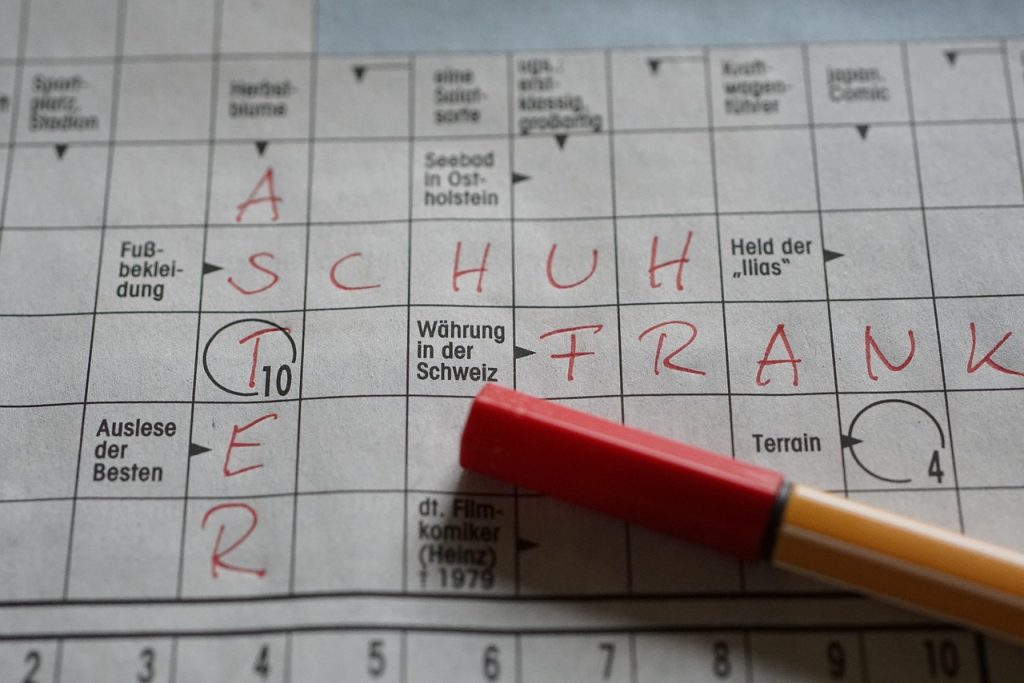
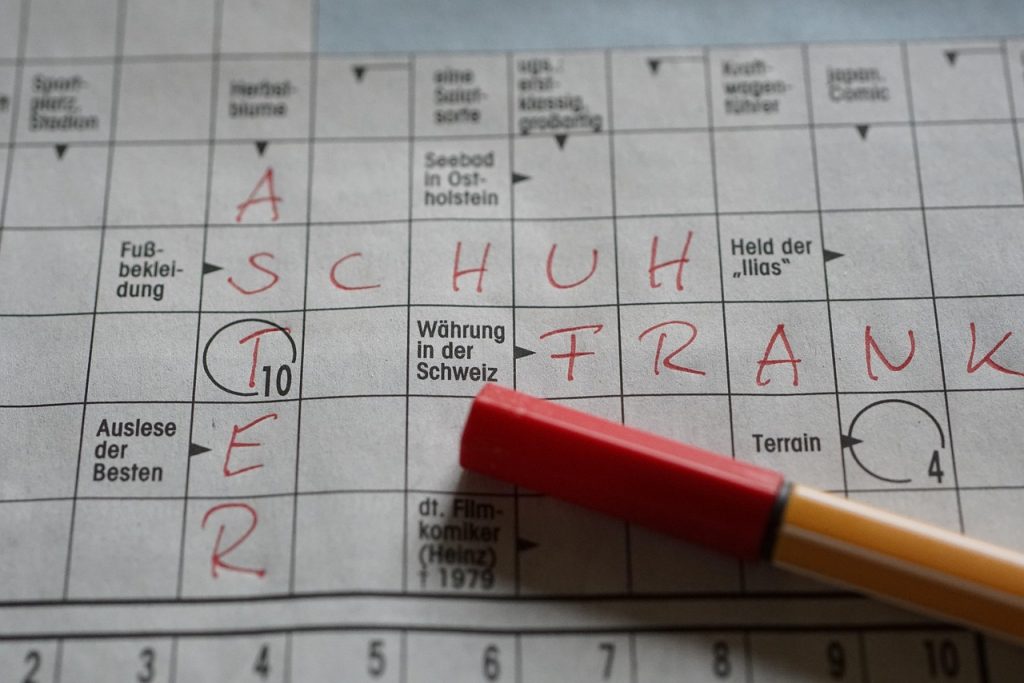
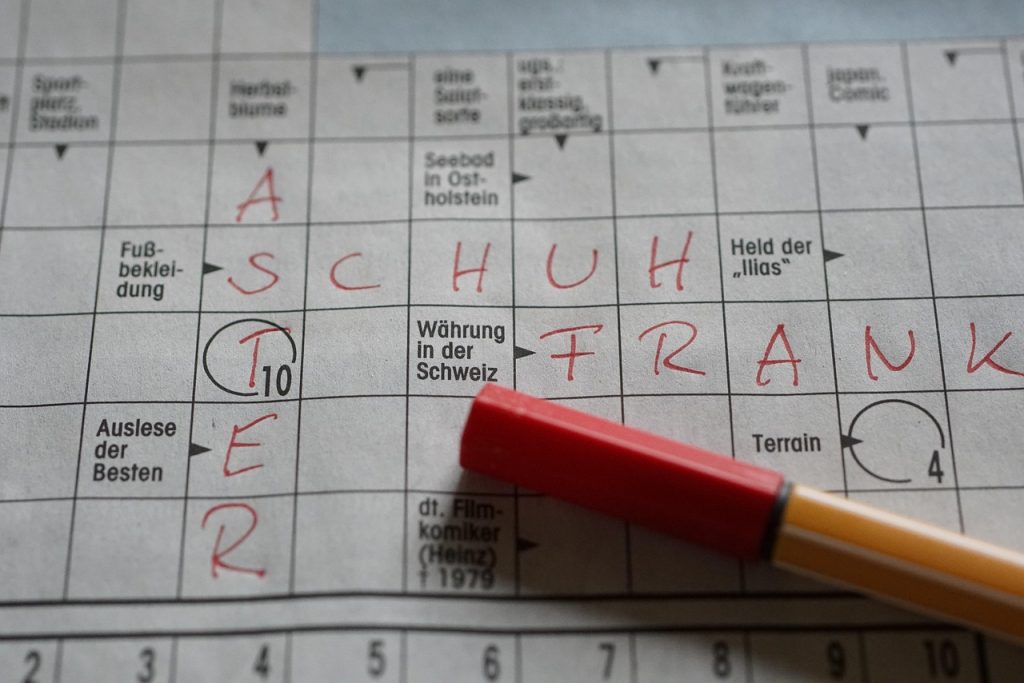
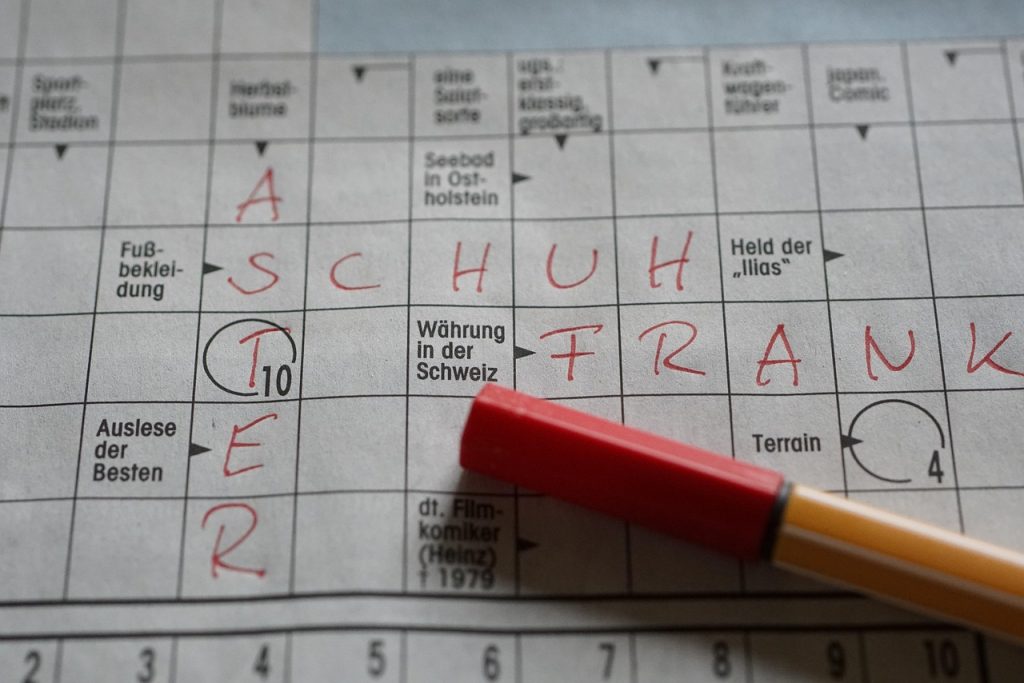
crucigramas en inglés resueltos para niños

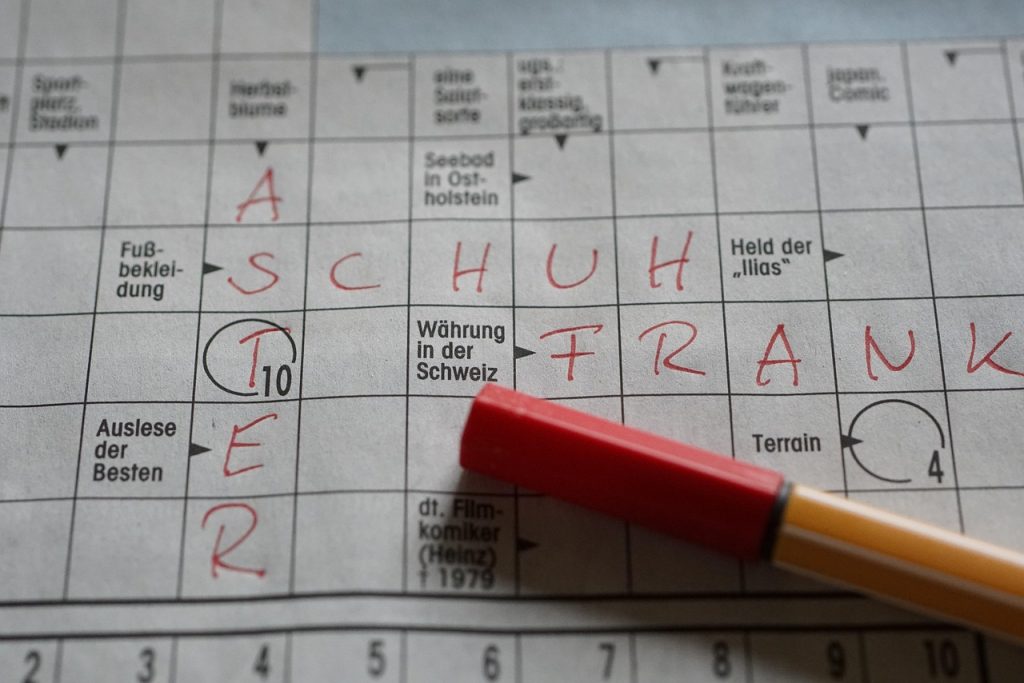
Resolved English Crossword Puzzles for Kids

Crossword puzzles are not only a fun way to pass the time but also an excellent tool for learning new words and improving vocabulary skills. In this article, we will explore a collection of resolved English crossword puzzles designed specifically for kids. These puzzles are not only engaging and entertaining but also educational, making them a great resource for parents and teachers looking to help children enhance their language skills.

Understanding the Benefits of Crossword Puzzles for Kids

Before we delve into the resolved crossword puzzles, let's take a moment to understand the benefits of solving these puzzles for kids:

  • Vocabulary Expansion: Crossword puzzles expose children to new words and help them expand their vocabulary.
  • Critical Thinking Skills: Solving crossword puzzles requires critical thinking and problem-solving skills, which are essential for academic success.
  • Spelling Practice: Children can practice their spelling by filling in the correct letters in the crossword grid.
  • Contextual Learning: Through the clues provided in the crossword puzzle, kids can learn new words in a meaningful context.

Resolved English Crossword Puzzles

Let's take a look at a few resolved English crossword puzzles that are suitable for kids:

Puzzle 1: Animals

Across

  1. The king of the jungle (4 letters) – LO
  2. A flying mammal that sleeps upside down (3 letters) – BA
  3. A domesticated animal that says "meow" (4 letters) – CT
  4. An animal known for its long neck (5 letters) – GA**

Down

  1. An animal with black and white stripes (5 letters) – ZB
  2. A small, furry animal often kept as a pet (3 letters) – G

Puzzle 2: Seasons

Across

  1. The season known for falling leaves (5 letters) – AUM
  2. The hottest season of the year (6 letters) – UMME*
  3. The coldest season of the year (6 letters) – IT**R

Down

  1. The season of blooming flowers (7 letters) – SIG**
  2. The season with the most daylight (5 letters) – UE*

Puzzle 3: Colors

Across

  1. The color of the sky on a sunny day (3 letters) – LE
  2. A mixture of red and blue (7 letters) – PRL*
  3. The color of snow (5 letters) – WIE

Down

  1. The color of ripe bananas (6 letters) – YLL**
  2. A blend of black and white (6 letters) – GAY

Conclusion

Resolved English crossword puzzles are a fantastic educational resource for kids. Not only do they provide hours of fun and entertainment, but they also help children enhance their vocabulary, critical thinking skills, and spelling abilities. Parents and teachers can use these puzzles as a valuable tool to support children's language development and academic progress.

Next time you're looking for a fun and educational activity for kids, consider giving them a set of resolved English crossword puzzles to solve. Who knows, they might just discover a love for words and language along the way!

Would you like to see more resolved crossword puzzles for kids? Let us know in the comments below!